
Blog
Oct
22
2026
![image for Do I Need A Will? [Estate Planning Q&A Video Series]](https://cdn.zephyrcms.com/9a5299e1-ed49-4be3-b2eb-b06a5ac26ab1/-/progressive/yes/-/format/jpeg/-/scale_crop/460x300/center/do-i-need-a-will-blog-teaser-image-adair-buckner.jpg "Do I Need A Will? [Estate Planning Q&A Video Series]")
Do I Need A Will? [Estate Planning Q&A Video Series]
While not everyone needs a Will, it's wise to explore whether it would be a smart investment for you and your family's future. A few benefits of drawing up a Will include choosing how your estate will be distributed, selecting a guardian for minor children, and providing for step-children or other beneficiaries. An attorney will explore with you whether the assets you own can be passed down without a Will or whether having a Will is really key to simple passage of title to assets on your death.
Read MoreSep
24
2026

7 Common Mistakes People Make After A Loved One Passes Away
Even well-meaning people can make mistakes. Under the pressure of grief, it’s no surprise that many people make choices during this difficult time that complicate the probate process and cause more trouble and expense in the long run.
Read MoreSep
11
2026

Top 10 Reasons You Need A Will
People put off creating a Will for many reasons. However, this decision can cost your family a lot of money and heartache in the long run. It can also lead to your estate being distributed in ways that you would not want. Drawing up a Will provides a number of benefits, from allowing you to choose exactly how your estate will be distributed to providing for stepchildren.
Read MoreSep
2
2026

Prepare For Your First Estate Planning Meeting: 6 Reasons To Plan Ahead
While your attorney will guide you through the process, arriving prepared can help you make thoughtful decisions rather than feeling pressured to come up with answers on the spot. It helps you consider who you want as secondary beneficiaries, agents, executors, and trustees. Additionally, it gives you time to think about whether you want to place special conditions on your beneficiaries receiving their inheritance, especially if they are minors.
Read MoreAug
27
2026
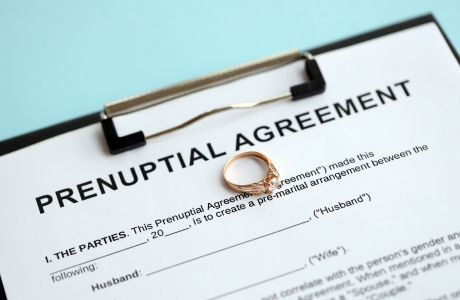
Why You Should Consider Prenups As Part Of Your Estate Plan
Prenups may be beneficial to a couple marrying, whether or not they are rich and famous. They are not just a contingency plan for a possible divorce. In fact, prenups can be an important tool for your estate plan, particularly if you have children from a previous relationship or more property going into the marriage.
Read MoreAug
6
2026

The Top 5 Reasons People Put Off Drawing Up A Will (And Why You Never Should)
Preparing a Will is a smart, compassionate, financially wise, and easy thing to do. So, stop making excuses, and do it! Anyone who has been through settling an estate for a loved one who failed to make a Will can attest to how much they would have preferred the alternative.
Read MoreJul
22
2026

When Is The Cost Of A Living Trust Not Worth It?
One of my biggest pet peeves over the years has been the over-selling of living trust packages to folks doing their estate planning. There are definitely times when a living trust is a good estate planning tool. However, for many individuals, a living trust is an unnecessary expense.
Read MoreJul
9
2026

Why You Need A Living Will And Medical Power Of Attorney
If you have ever gone through a hospital admissions process, you've likely been asked if you have a living will (also known as a directive to physicians) and a medical power of attorney. Here are the main benefits of both—and why they're worth the investment.
Read MoreJul
1
2026
![image for How Soon Must A Will Be Probated After A Death? [Probate Q&A Video Series]](https://cdn.zephyrcms.com/b733a856-2794-48a0-918e-a4452aac17d3/-/progressive/yes/-/format/jpeg/-/scale_crop/460x300/center/how-soon-must-a-will-be-probated.jpg "How Soon Must A Will Be Probated After A Death? [Probate Q&A Video Series]")
How Soon Must A Will Be Probated After A Death? [Probate Q&A Video Series]
How soon must a Will be probated after death? In Texas, generally a Will must be filed within four years after the date of the death, but I encourage you to do it sooner rather than later. Neglecting to probate the Will can leave you in a more painful situation in the long run.
Read MoreJun
25
2026
![image for How Long Does The Probate Process Take? [Probate Q&A Video Series]](https://cdn.zephyrcms.com/f41b0ff9-0de9-4a35-97c3-5f3604629b95/-/progressive/yes/-/format/jpeg/-/scale_crop/460x300/center/how-long-is-the-probateprocess.jpg "How Long Does The Probate Process Take? [Probate Q&A Video Series]")
How Long Does The Probate Process Take? [Probate Q&A Video Series]
A widely-held belief about probate is that it is long and expensive. That is often not the case. How long it will take and how much it will cost depend on a number of factors. In most cases, it is not a lengthy or horribly expensive process.
Read More